

Dubai’s shared housing rules separate families and individuals, set space limits and allow one year.
Dubai has introduced new shared housing regulations under Law No. 4 (2026) to improve living conditions, prevent overcrowding, and strengthen safety standards. Families and individuals living alone cannot share the same residential unit. The rules also restrict shared accommodation to approved areas and establish requirements for bedrooms, bathrooms, kitchens, permits, and occupancy limits. Dubai Municipality detailed these standards in Circular No. 1-3-1 (2026). Effective from August 2026, the law gives existing property owners and operators one year to comply. These changes affect landlords, tenants, contractors, engineering consultants, and building operators across the emirate, ensuring safer and better-regulated housing.
Why Has Dubai Introduced New Shared Housing Rules?
Residents of Dubai seeking affordable housing often opt for shared accommodation.
However, issues such as overcrowding, unauthorized partitions, and the use of properties for purposes other than those approved can raise safety concerns.
New regulations in Dubai aim to address these issues by establishing clear standards for shared housing.
The legislation protects the rights of both property owners and tenants while ensuring that the accommodation meets essential health, safety, and building requirements.
Authorities also seek to reduce unregulated occupancy in residential areas and preserve the urban character of the emirate.
Rather than applying uniform conditions to every property, these regulations set specific requirements for different types of shared accommodation.
Can Families and Individuals Live in the Same Shared Apartment?

No. Dubai’s new shared housing regulations prohibit families and individuals living alone from sharing the same residential unit. Each apartment, building, or villa must be designated exclusively for either families or individuals. Mixing both categories within one property is not permitted.
However, multiple families can share an approved family accommodation unit, provided each family has a separate bedroom and private bathroom. In housing designated for individuals, several residents may share a bedroom, depending on approved occupancy limits and technical standards.
These rules aim to prevent overcrowding, improve privacy, and ensure safer, more organised shared accommodation across Dubai.
Which Areas of Dubai Restrict Shared Housing for Individuals?
Dubai Municipality has introduced location-based restrictions to regulate shared accommodation and maintain residential standards. Under the new rules, shared housing for individuals living alone is prohibited along certain major roads known for commercial and tourism activities.
These restricted locations include:
- Sheikh Zayed Road
- Jumeirah Road
- Al Wasl Road
- Baniyas Road
In these areas, shared accommodation is permitted only for families, while individuals living alone cannot occupy shared residential units.
Property owners and landlords must ensure their buildings or villas are located in approved areas before offering shared accommodation. They must also verify eligibility and obtain the necessary permits.
These measures aim to improve housing management, protect residential communities, and ensure compliance with Dubai’s accommodation regulations.
How Much Space Must Each Resident Have?
Under Dubai’s new shared housing rules, each resident must have at least five square meters of bedroom space to prevent overcrowding. For example, a 20-square-meter bedroom may accommodate four people, subject to safety and occupancy limits.
For families, each family must have a separate bedroom and private bathroom. Individuals may share bedrooms if the accommodation meets approved health, safety, and occupancy standards.
Do Landlords Need a Permit for Shared Accommodation?
Yes. The new regulations establish permit requirements for properties used as shared accommodation.
A building permit is required for new shared housing construction and for modifications to existing buildings or villas being converted for shared accommodation.
Applications for building licences, completion certificates, and shared housing permits must be submitted through the Dubai Building Platform.
The applications must be filed by an engineering consultancy appointed by the property owner.
Required documentation includes information about the building, apartments, rooms, room sizes, categories of residents, and occupancy levels.
Shared housing permits will be issued after the property receives a completion certificate.
The permits will also contain information required by the Dubai Land Department for tenancy contracts.
What Is the One-Year Compliance Deadline?
Dubai’s shared housing law came into effect in August 2026, giving property owners and operators one year to comply with the new regulations. During this period, landlords must review their properties, obtain necessary permits, and make required adjustments to meet approved housing standards.
However, Dubai Municipality has clarified that this grace period does not cover existing building violations or unauthorised property conversions. Such issues must be corrected separately.
Property owners should verify their building approvals, occupancy arrangements, and structural modifications to ensure full compliance with Dubai’s shared accommodation rules and avoid potential penalties or enforcement action.
Are Shared Housing Properties Required to Provide Parking?
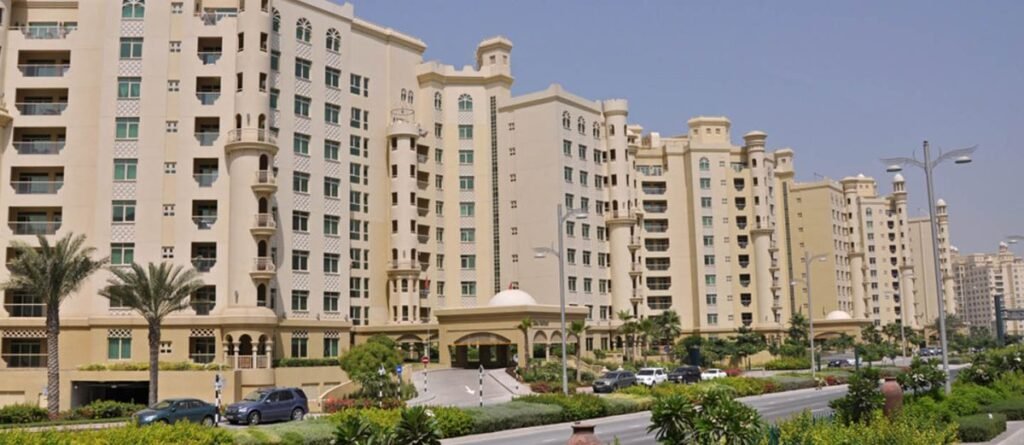
Under Dubai’s new shared housing regulations, properties offering shared accommodation are exempt from minimum car-parking requirements. However, landlords and operators must provide adequate space for residents’ minibus pick-up and drop-off services.
These transport arrangements must receive approval from Dubai’s Roads and Transport Authority (RTA) and comply with the Dubai Building Code.
Additionally, shared housing properties must provide bicycle parking spaces for at least 10 percent of their total residents.
These requirements aim to support convenient transportation, improve road safety, reduce congestion, and ensure shared accommodation facilities meet residents’ mobility needs while maintaining organised residential environments.
Can Villas Be Used for Shared Accommodation?
Yes, but only under specified conditions.
Private residential villas and villas located in approved areas may be rented for shared accommodation if they meet the relevant planning, construction, and safety requirements.
A villa used for shared housing must be designated exclusively for either families or individuals.
Property owners cannot simply divide a villa into shared accommodation without meeting the necessary regulatory requirements.
Conversions or modifications may require building permits and other approvals.
The rules apply to both newly developed shared accommodation properties and existing buildings or villas being converted for that purpose.
What Happens If Landlords Do Not Follow the Rules?
Dubai’s shared housing regulations require landlords, property owners, and operators to follow approved accommodation standards. Violations may result in legal action and financial penalties, which can reach up to AED 1 million in certain cases.
The severity of penalties depends on the nature of the violation and applicable laws.
Importantly, the one-year compliance period does not protect landlords from penalties for unauthorised partitions, illegal property conversions, or existing building violations.
Dubai Municipality requires property owners to correct such issues to ensure residents’ safety, maintain building standards, and comply with the emirate’s shared housing regulations.
What Should Tenants and Landlords Do Now?
Dubai’s new shared housing regulations require landlords and tenants to ensure their accommodation meets approved standards. Property owners must verify that their buildings are located in permitted areas, obtain necessary permits, and comply with bedroom space, bathroom, kitchen, and occupancy requirements.
Tenants should confirm whether a property is approved for families or individuals before renting. They should also check for overcrowding, adequate bathroom facilities, and proper maintenance of shared spaces.
Following these guidelines can help landlords avoid violations while allowing residents to choose safer, legally compliant, and more comfortable shared accommodation across Dubai.
Frequently Asked Questions
Can families and bachelors live in the same apartment in Dubai?
No. Under Law No. 4 (2026), a shared residential unit must be designated either exclusively for families or exclusively for individuals (bachelors). These two categories cannot coexist in the same shared unit.
Can two families share an apartment in Dubai?
Yes, provided the apartment is approved as shared accommodation for families and each family has its own separate bedroom and private bathroom.
What is the minimum space required per person in a bedroom?
Each resident must have a minimum of five square meters of space in the bedroom, in addition to meeting other essential living and safety requirements.
How many people can share a bathroom?
There must be one full bathroom for every four people. In accommodation designated for individuals, separate toilet and shower facilities may be provided.
Can bachelors live in shared housing on Sheikh Zayed Road?
Shared accommodation for individuals is prohibited on Sheikh Zayed Road and certain other major roads designated by Dubai Municipality. In these areas, shared housing is restricted to families.
Do landlords need approval to operate shared accommodation?
Yes. Shared housing properties must meet necessary building and planning requirements and obtain the required permits through the official approval process.
When did Dubai’s new shared housing law come into effect?
Law No. 4 (2026) came into effect in August 2026.
How much time have existing shared housing operators been given to comply with the regulations?
Existing properties have been granted a one-year period from the date the law comes into effect to meet the new requirements. This grace period does not cover existing building violations or unauthorized changes of use.
Can residential villas be rented out as shared accommodation?
Yes, provided they are located in approved areas and meet the necessary requirements regarding planning, construction, and permits.
Is parking space mandatory for shared accommodation?
Shared housing is exempt from minimum car-parking requirements; however, operators must comply with requirements for minibus pick-up and drop-off points and provide bicycle parking facilities.
Final Thoughts
Dubai’s new shared housing regulations aim to improve living conditions, reduce overcrowding, and ensure safer accommodation. The rules separate housing for families and individuals, introduce minimum space and sanitation standards, and require proper permits. Landlords have one year to comply, while tenants benefit from clearer housing standards and better protection. The changes promote a safer, more organised residential environment across Dubai.